
Athletes often look for recovery methods that shorten downtime without compromising long term healing. That is why interest in hyperbaric oxygen therapy for sports injuries has grown sharply in the last decade.
The therapy increases oxygen delivery to tissues at a level the body cannot achieve on its own, which is crucial when dealing with sprains, strains, muscle tears, and impact injuries.
Readers searching for practical answers want to understand how the treatment works, which injuries it helps, and whether it is worth integrating into a rehabilitation plan.
This article breaks down those concepts clearly, using scientific explanations and real world context to help athletes, trainers, and everyday active individuals make informed decisions about recovery.
How Hyperbaric Oxygen Therapy Works In Athletic Recovery
Before considering treatment, it helps to understand why oxygen plays such a dominant role in the healing process.
When pressure inside a hyperbaric chamber increases, oxygen dissolves more efficiently into plasma, cerebrospinal fluid, and lymphatic fluid.
This significantly improves oxygen delivery to damaged tissues. Athletes dealing with reduced blood flow or swelling benefit because increased oxygen supports collagen production, reduces inflammation, and accelerates tissue repair.
Some athletes prefer advanced facilities that offer a quiet setting for focused treatment.
Many recovery centers like Oxynegy that use an oxygen chamber Beverly Hills based, provide sessions designed for athletes who want a controlled atmosphere to support training loads and rehabilitation planning. The chamber itself simply becomes part of a structured recovery routine.
Key Benefits Athletes Notice During Treatment
The effectiveness of hyperbaric oxygen therapy for sports injuries shows up in several consistent ways.
Most users report less swelling, better mobility, and faster relief from post workout discomfort. These improvements support tissue regeneration at stages where traditional therapies might slow down.
Common benefits include:
- Reduced inflammation in soft tissues
- Faster healing of muscle strains and ligament damage
- Improved oxygen delivery in areas with restricted blood flow
- Enhanced clearance of metabolic waste after intense training
- Increased stimulation of fibroblasts which support tissue rebuilding
Athletes also appreciate that sessions are non invasive and can be combined with physiotherapy, strength programs, and mobility work, which makes the therapy a versatile addition to modern recovery practices.
Which Injuries Respond Best To Increased Oxygen Delivery
Hyperbaric oxygen therapy works especially well when injuries limit circulation or involve slow healing tissues.
Sprains and strains benefit because they rely heavily on oxygen saturation for repair. Stress fractures also respond because bone metabolism accelerates under higher oxygen availability.
Below is a simple comparison table outlining tissue types and typical responses.
| Injury Type | Why HBOT Helps | Expected Effect |
| Muscle tears | Limited blood flow during acute swelling | Faster mobility and reduced soreness |
| Ligament sprains | Slow collagen restructuring | Improved stability during rehab |
| Stress fractures | Bone remodeling requires oxygen | Shorter healing windows |
| Tendon injuries | Poor natural vascularity | Better tissue reinforcement |
These effects do not replace physiotherapy or rest but complement them, giving athletes stronger continuity through all stages of recovery.
How HBOT Supports Return To Play Timelines
Rehabilitation is partly physical and partly strategic. Coaches and trainers want predictable timelines, and athletes want assurance that they are progressing without setbacks.
Hyperbaric oxygen therapy helps create that stability by influencing circulation, inflammation control, and tissue metabolism.
For athletes who load their bodies heavily, this added support often results in more consistent gains from session to session.
The therapy also pairs well with monitored strength programs. When tissue swelling reduces faster, athletes can begin controlled movement sooner.
This helps maintain neuromuscular function which is critical for return to play.
Trainers appreciate this because the athlete avoids long periods of detraining which can increase risk of reinjury once full training resumes.
Important definition
Hyperoxia is the state in which tissues receive oxygen in concentrations higher than normal. In controlled settings, hyperoxia triggers physiological mechanisms that promote healing responses in damaged tissues.
A Look At The Science Behind Pressure And Oxygen Saturation
The science behind hyperbaric oxygen therapy for sports injuries rests on measurable physiological changes. Under increased atmospheric pressure, oxygen levels in the bloodstream rise dramatically.
This allows oxygen to reach areas that are damaged, swollen, or poorly perfused. For athletes who have injuries that limit blood flow, this can be a major advantage.
Researchers also note that hyperbaric environments downregulate inflammatory cytokines.
This limits the prolonged swelling that often delays rehabilitation. Simultaneously, stem cell activity increases, which supports tissue regeneration.
These combined effects explain why both acute injuries and chronic overuse conditions may respond well when oxygen delivery is enhanced beyond normal physiological levels.
Who Should Consider Adding HBOT To Their Recovery Plan
Athletes dealing with recurring injuries or slow healing often consider HBOT as part of a more structured recovery approach.
The therapy suits those who train at high intensity and need consistent performance output. It also benefits older athletes whose tissues may not recover as quickly as they did earlier in their careers.
Individuals who may benefit include:
- Athletes with high weekly training volume
- Individuals experiencing chronic inflammation in joints or tendons
- Competitors recovering from surgical procedures
- People with limited circulation in injury areas
- Anyone who needs shorter downtime between events or training cycles
These groups often report improved training tolerance after integrating sessions into their schedules.
How HBOT Fits Into A Larger Rehabilitation Strategy
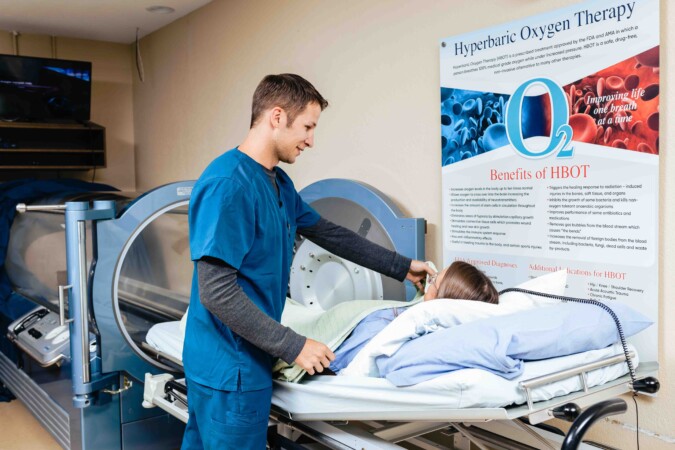
While hyperbaric oxygen therapy for sports injuries offers measurable benefits, it becomes most effective when combined with other evidence based rehabilitation tools.
Physiotherapy, strength training, controlled mobility work, hydration, and proper nutrition all contribute to tissue repair.
HBOT enhances these strategies by optimizing the chemical environment inside healing tissues.
Athletes often schedule sessions around training peaks. For example, a block of heavy conditioning or strength work may be followed by targeted hyperbaric sessions to limit inflammation and maintain muscle function.
This strategic pairing supports consistent performance while avoiding the fatigue spillover that can lead to further injury.
Did you know?
Oxygen enriched environments can increase ATP production in tissues, giving cells more energy to repair microdamage caused by intense training.
Practical Expectations For First Time Users
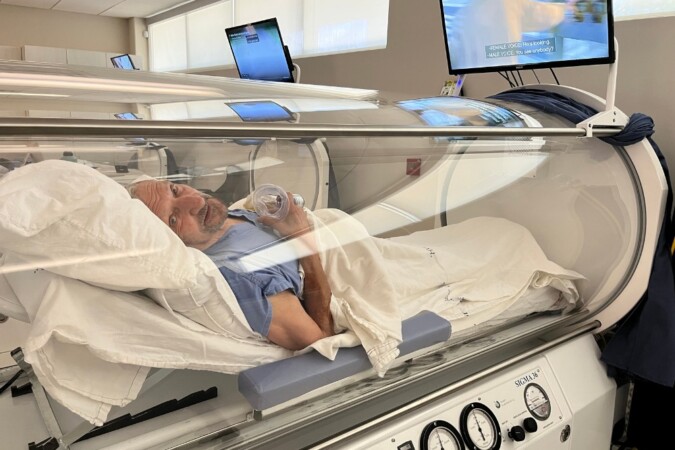
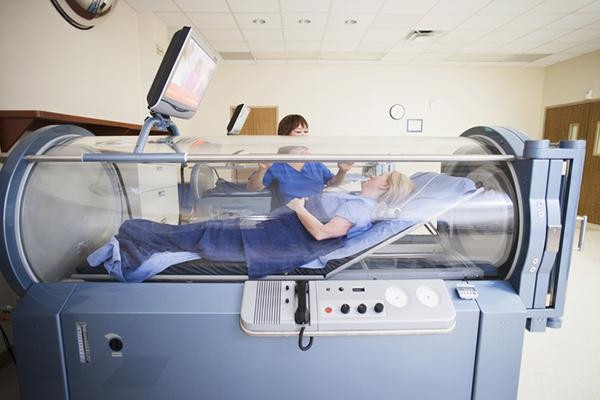
A first session typically involves entering a comfortable chamber where pressure gradually increases.
The experience is calm and requires no physical effort. Most athletes complete sessions lasting between sixty and ninety minutes.
During this time, oxygen dissolves into bodily fluids at higher concentrations which improves tissue saturation.
Athletes should not expect an overnight transformation. Instead, improvements accumulate across multiple sessions.
Mobility increases, soreness decreases, and recovery windows shorten. Trainers often observe better quality movement in subsequent workouts.
The therapy is simply one more tool that supports long term durability, consistency, and resilience in training.
Conclusion
Hyperbaric oxygen therapy for sports injuries has gained strong traction because it addresses one of the biggest challenges in athletic recovery which is oxygen delivery to damaged tissue.
Athletes benefit from reduced inflammation, improved circulation, and faster progression through rehabilitation stages.
The therapy works best when integrated with structured training, physiotherapy, rest, and nutrition.
For many athletes, this combination creates a recovery pathway that feels more controlled and predictable.
As the science continues to evolve, HBOT is positioned to remain an important part of modern sports medicine, offering a practical route to better performance and long term tissue health.